
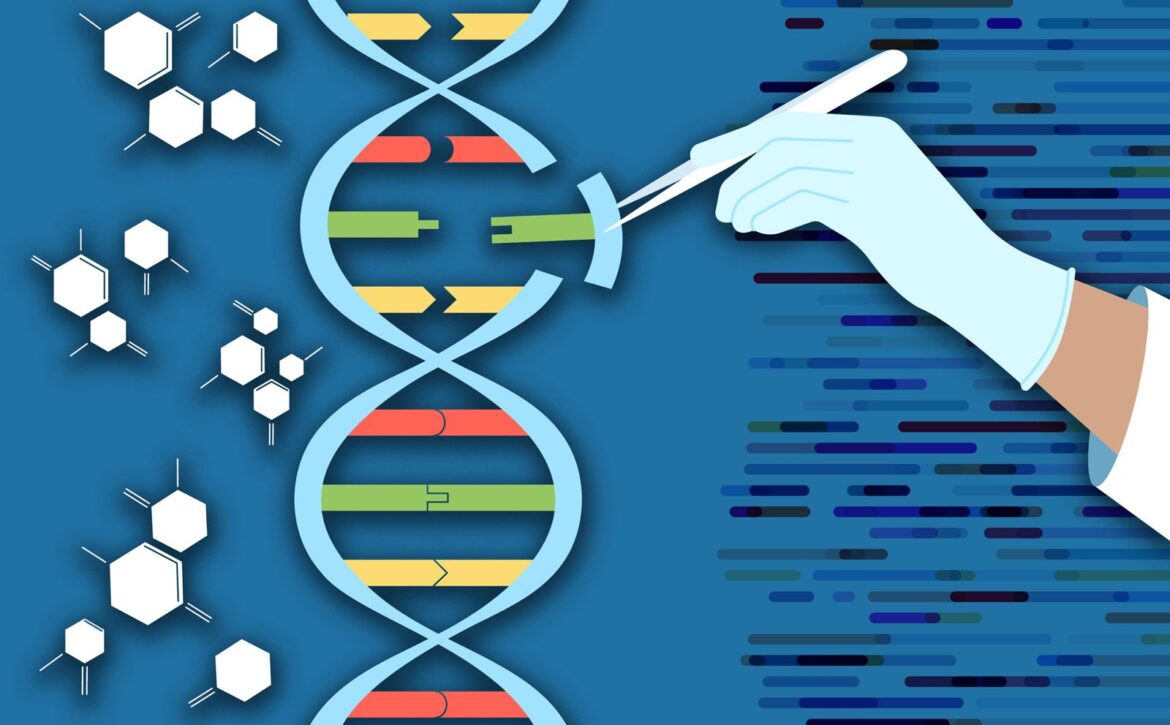
CRISPR Gene Editing: Revolutionizing Genomics
CRISPR-Cas9, a revolutionary gene-editing tool, has taken the field of genomics by storm. Its precision, efficiency, and simplicity have made it an invaluable resource for genetic research and potential therapies. This breakthrough technology allows scientists to target and modify specific genes with unprecedented accuracy, making it possible to correct genetic mutations, study gene functions, and even create genetically modified organisms.
The mechanism behind CRISPR-Cas9 involves using a guide RNA to direct the Cas9 enzyme to a specific location in the DNA sequence, where it creates a double-strand break. This break can then be repaired in various ways, enabling scientists to either knock out genes or introduce new genetic material. This ability to edit genomes with high specificity has opened doors for treating genetic disorders such as cystic fibrosis, sickle cell anemia, and muscular dystrophy.
Moreover, CRISPR is being explored for its potential in cancer therapies, where it can be used to modify immune cells to target and destroy cancer cells more effectively. While there are still ethical and safety concerns to address, the transformative potential of CRISPR technology in personalized medicine and disease treatment cannot be overstated.
References:
- Doudna, J.A., & Charpentier, E. (2014). “The new frontier of genome engineering with CRISPR-Cas9.” Science.
- Zhang, F., et al. (2015). “CRISPR/Cas9 for genome editing in human cells and organisms.” Nature Biotechnology.
- Kiran, V., et al. (2022). “CRISPR-mediated gene editing: Applications and challenges in clinical therapies.” Journal of Gene Therapy.
- Sharma, A., et al. (2023). “CRISPR in cancer therapy: Advancements and future perspectives.” Nature Cancer Reviews.